The government has targeted the mobile data connections that the majority of Ethiopians use to get online. Internet users have also been unable to access Facebook Messenger and Twitter, with a host of other services also rendered unreliable.
This has impacted everyone: from local businesses, to foreign embassies, to families, as well as the extensive and vital international aid community.
“Non-governmental organisations play crucial roles in developing countries, often with country offices in the capitals, satellite offices across remote regions, and parent organisations in foreign countries,” said Moses Karanja, an internet policy researcher at Strathmore University in Nairobi. “They need access to the internet if their operations are to be efficiently coordinated.”
A political decision
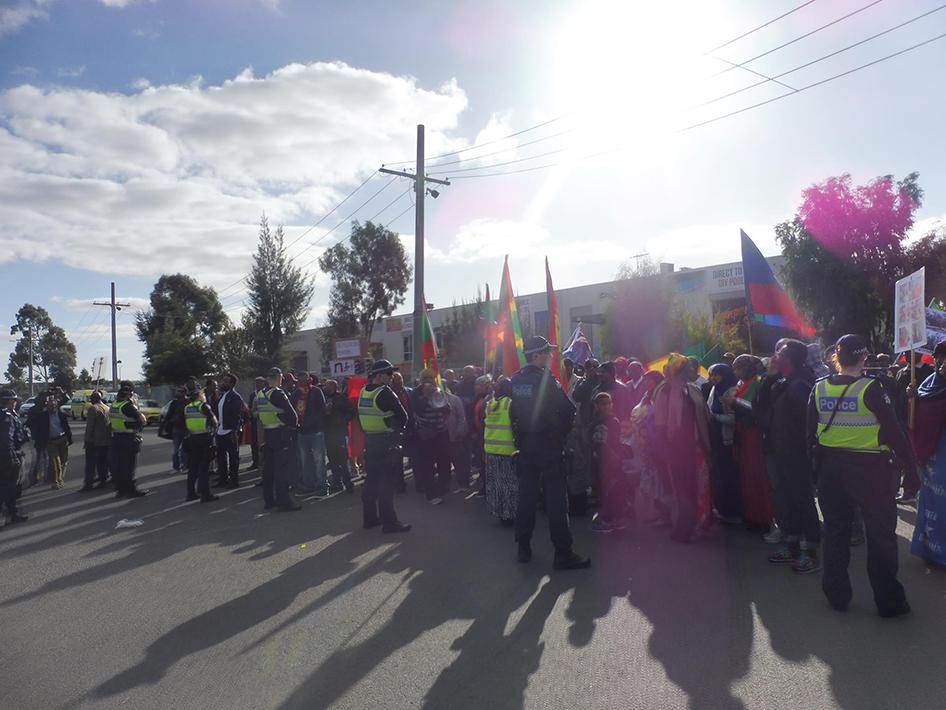
The Ethiopian government has been candid about the restrictions being in response to year-long anti-government protests in which hundreds of people have died.It has singled out social media as a key factor in driving unrest. Since the beginning of October, there has been a spike in violence resulting in millions of dollars’ worth of damage to foreign-owned factories, government buildings and tourist lodges across Oromia Region, initially ground zero for the dissent.